

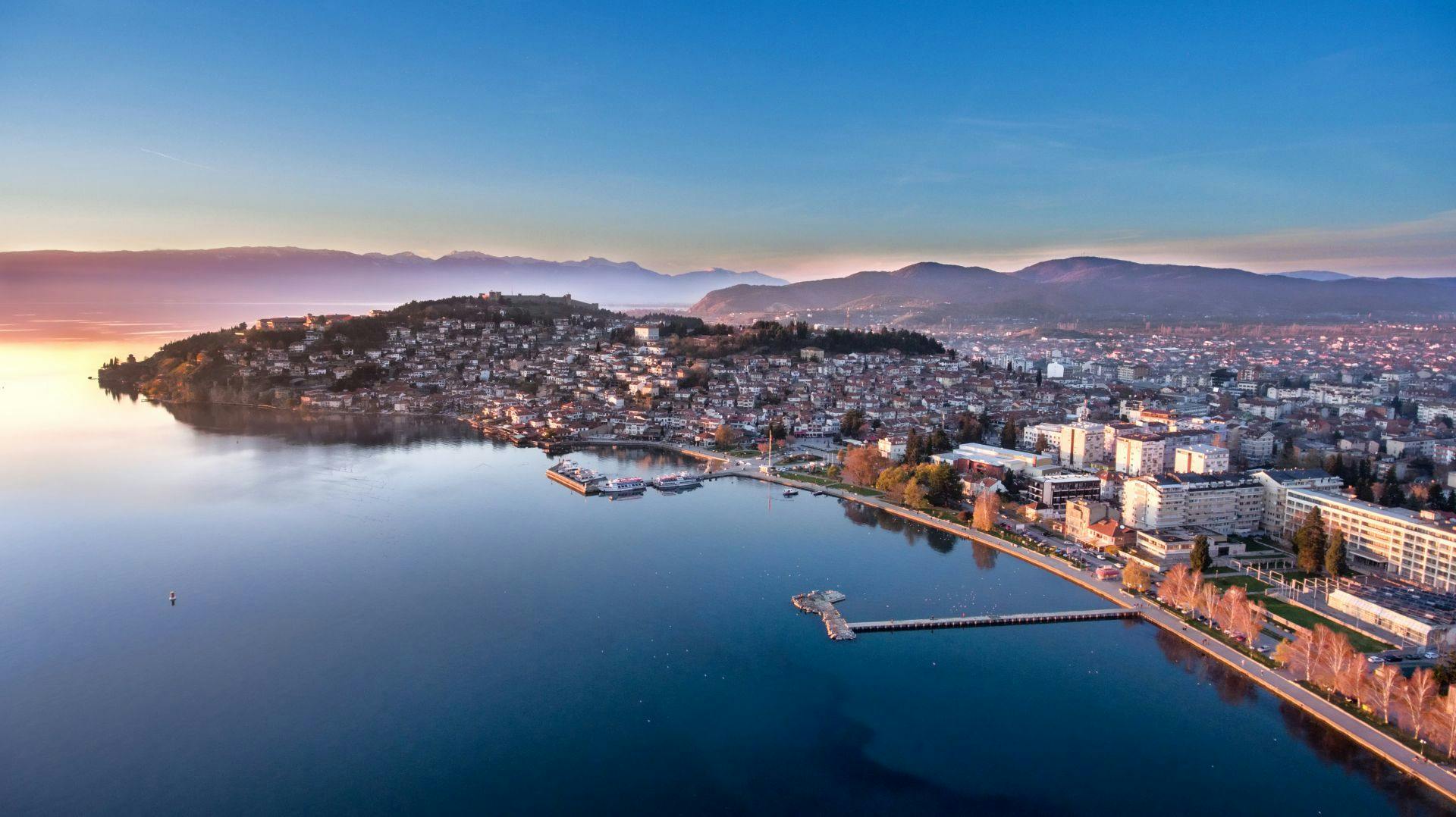
Villa VaroshAccommodation in the heart of Ohrid Old Town with beautiful lake views and a warm, home like atmosphere
Below is a carousel. To go through the images, please swipe left or right, or tap the next and previous buttons.Skip to content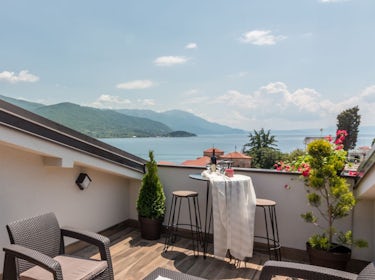

Villa Varosh
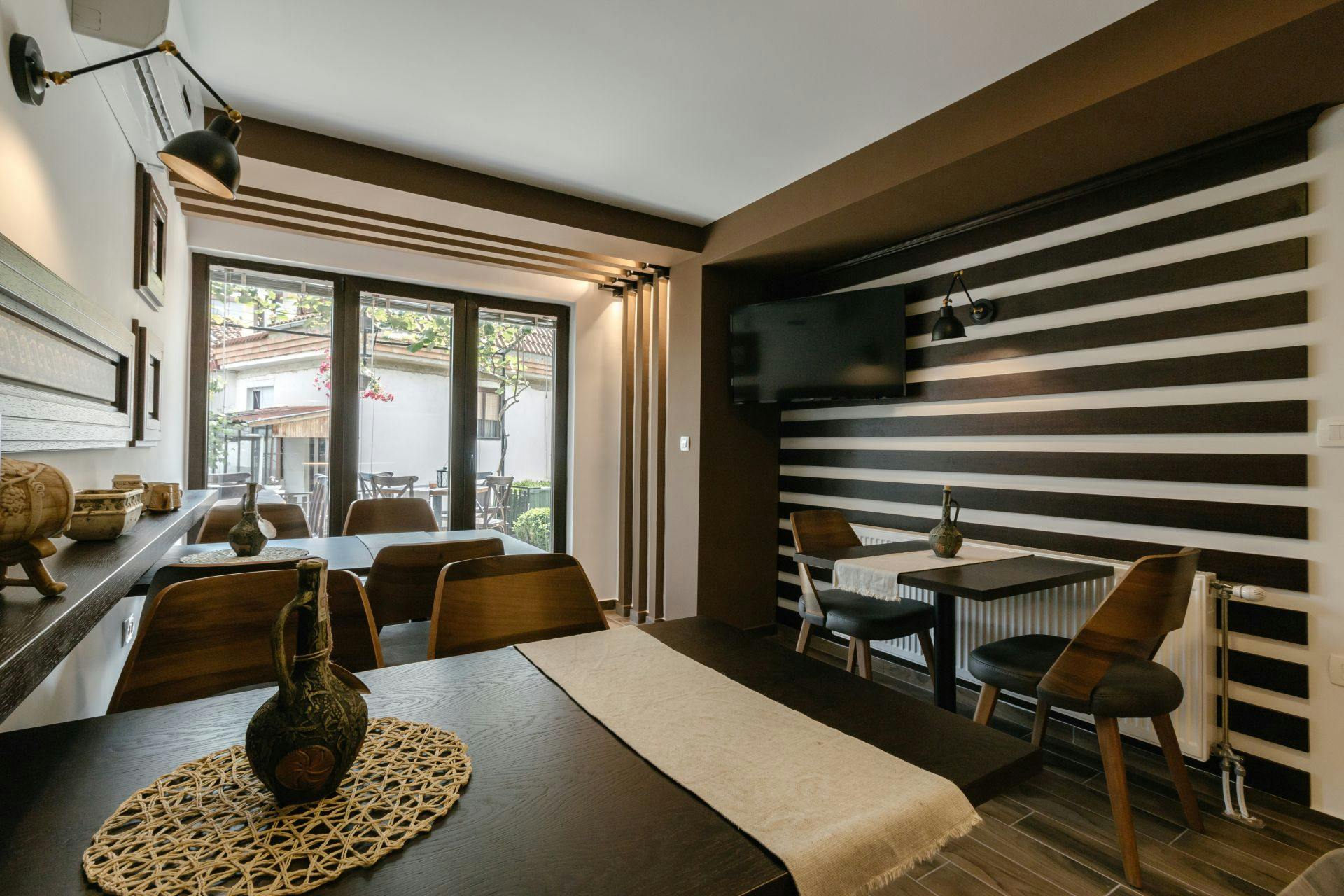
A small family hotel in Ohrid Old Town, known for exceptional cleanliness, beautiful lake views, and a home like feeling that brings guests back again.
Rooms
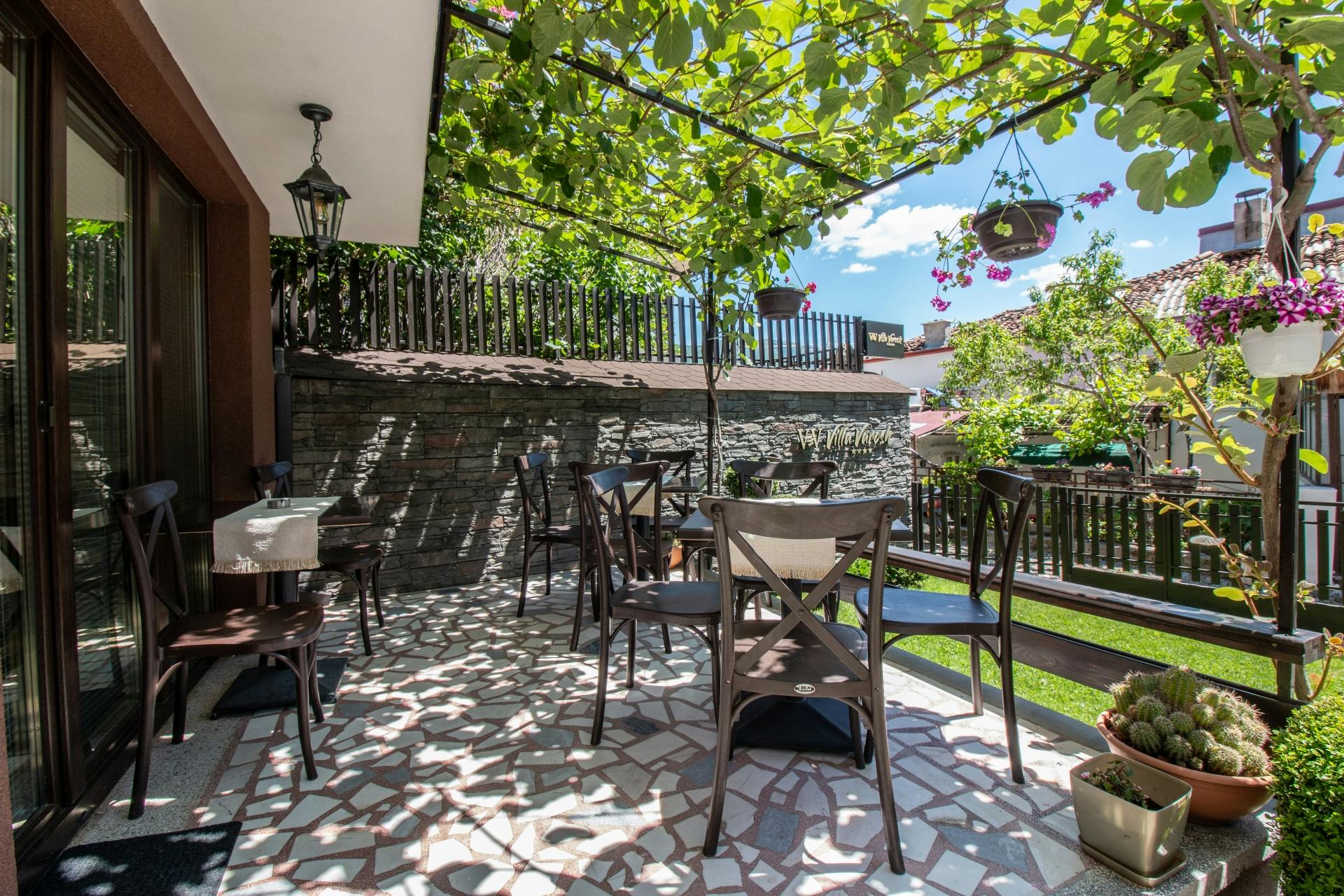
See AllPenthouse Apartment Our most spacious and exclusive apartment, located on the top floor with panoramic lake views, a large private balcony, living room, kitchen, and two separate bedrooms. Perfect for families, longer stays, or guests looking for additional comfort and privacy while enjoying one of the best views in Ohrid Old Town.Deluxe Apartment A comfortable apartment in the heart of Ohrid Old Town, ideal for families or longer stays. The apartment features a large private patio, offering a peaceful outdoor space to relax and enjoy the atmosphere of the Old Town. Carefully prepared with all essential amenities, it provides a comfortable stay within walking distance to the lake, restaurants, and historical attractions.Double Room with Lake View Bright and comfortable room with beautiful lake views and a private balcony, located in the heart of Ohrid Old Town. A perfect choice for couples who want to enjoy the atmosphere of Ohrid while staying close to the lake and historical landmarks.Double Room with Balcony Comfortable and carefully prepared room with a private balcony offering partial lake views and views of the Old Town surroundings. Perfect for couples looking for a relaxing stay in a quiet location close to all main attractions.Double Room with Extra Bed and Garden View Comfortable room with a private garden patio and an additional sofa bed, suitable for couples, small families, or guests looking for extra space and privacy. Located in a peaceful part of the property while remaining close to the lake and Ohrid Old Town attractions.Double Room with Garden View A cozy and peaceful room featuring a private garden patio, ideal for guests looking for a quiet and comfortable stay in Ohrid Old Town. The room offers a relaxing atmosphere with easy access to the lake, restaurants, and historical landmarks.Standard Double Room with Balcony Comfortable and functional room with a smaller private balcony and partial lake views. A great option for guests looking for a clean, welcoming, and well located stay in Ohrid Old Town.Standard Double Room with Lake View Comfortable room with beautiful lake views and a smaller private balcony, ideal for couples looking to enjoy Ohrid Old Town from a peaceful and central location close to all attractions.


About Us
Read MoreVilla Varosh is a small family run hotel located in the heart of Ohrid Old Town.
Our goal is simple, to provide a clean, comfortable, and welcoming stay where every guest feels at home.
We pay special attention to cleanliness, details, and communication, which is why many of our guests choose to return to us again.
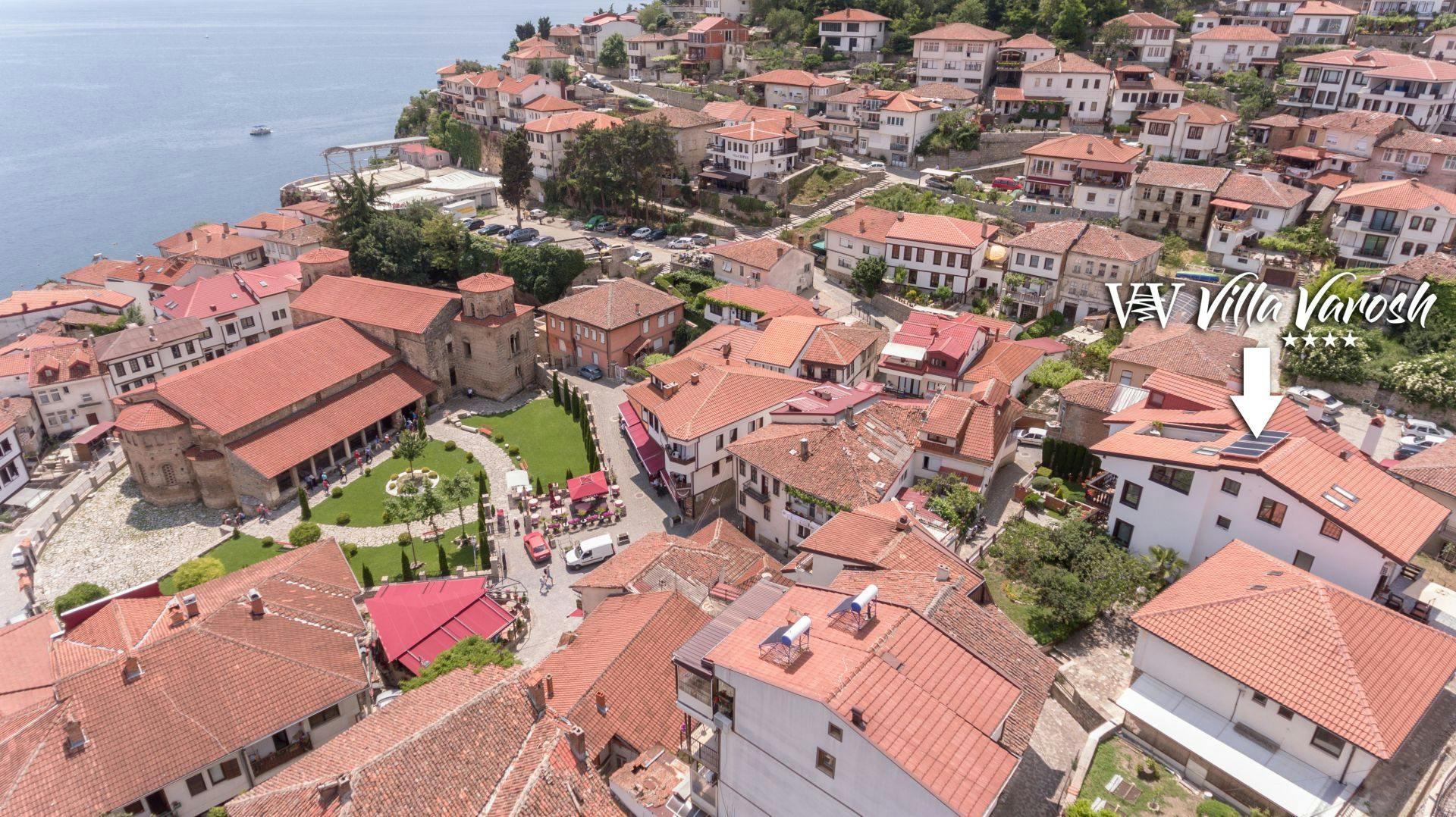
The property is located in a traditional Old Town setting, just a short walk from the lake, historical landmarks, and local restaurants, while still offering a quiet and peaceful atmosphere.
Before arrival, we guide our guests step by step with clear instructions for check in and parking, so everything is simple and stress free.
We are always available if you need any assistance during your stay.
Gallery
Skip past gallery See All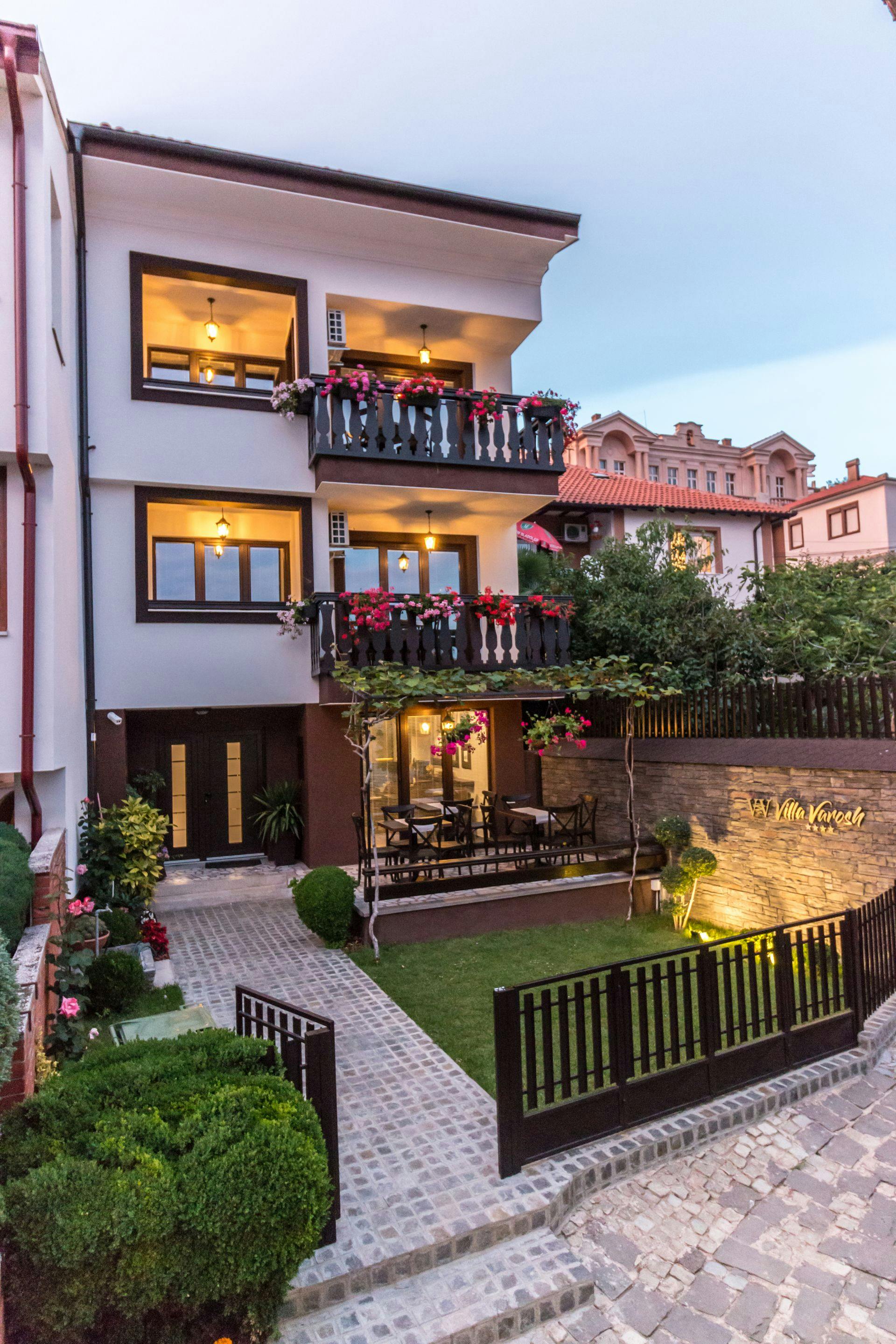


Attractions
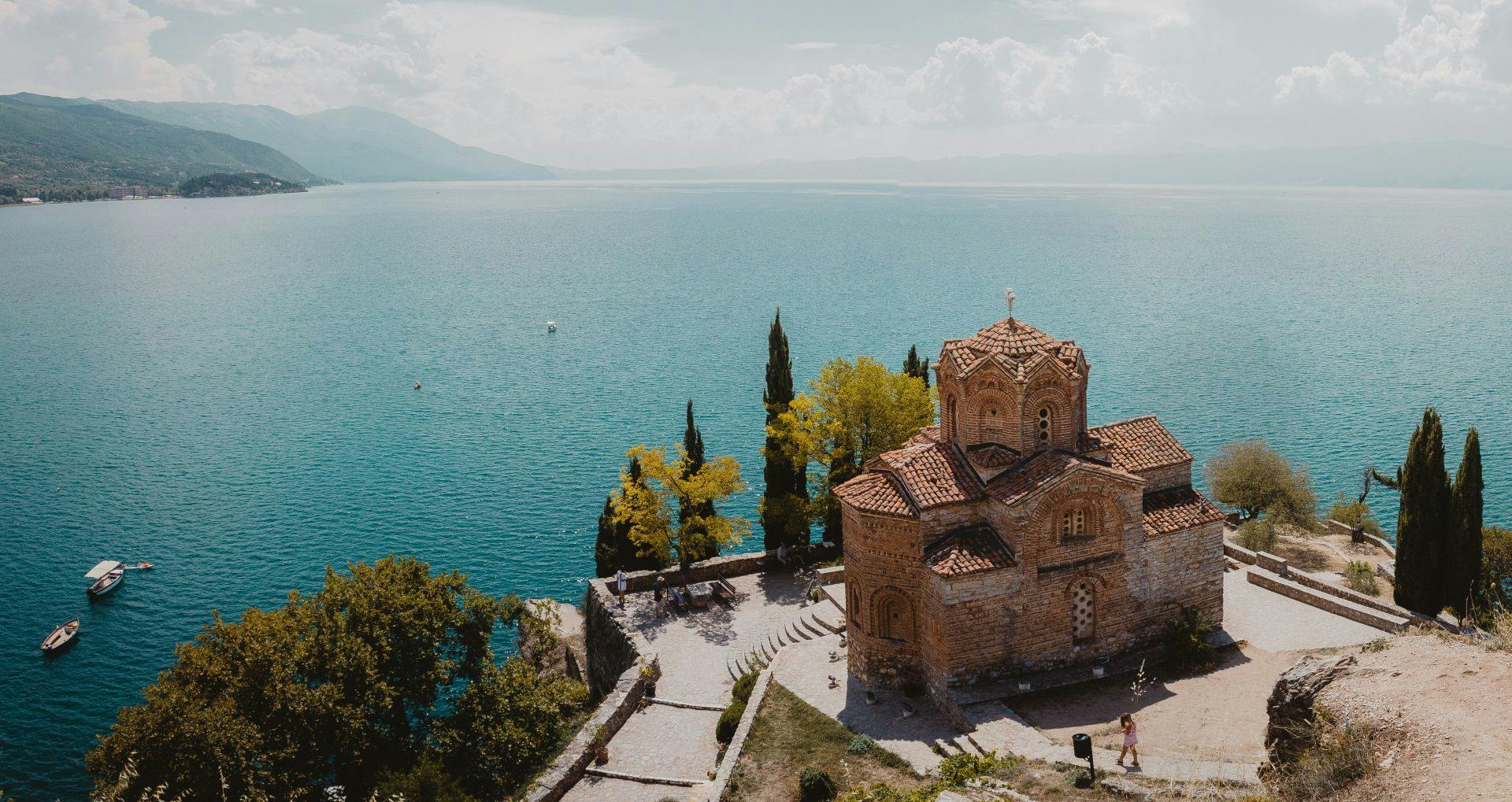
See AllChurch of Saint John at Kaneo The Church of Saint John at Kaneo is one of the most famous and photographed landmarks in Ohrid and one of the most iconic churches in North Macedonia. Perched dramatically on a cliff above Lake Ohrid, the church overlooks the peaceful waters of the lake and offers some of the most beautiful panoramic views in the region.Located in the Kaneo area of Ohrid Old Town, the church is dedicated to Saint John the Theologian and is believed to have been built during the 13th century. Its architecture is especially notable for combining Byzantine and Armenian influences, making it one of the most distinctive religious monuments in the Balkans.The church was constructed on a stone foundation and features decorative ceramic details and carefully crafted stone carvings on its exterior. Although the original fresco painters remain unknown, several preserved fresco fragments are considered masterpieces of medieval art. Among the most notable are depictions of the Communion of the Apostles, as well as portraits of Saint Clement, Saint Erasmus, and Constantine Kavasilas.Beyond its historical and architectural importance, Saint John at Kaneo is admired for its unique location and atmosphere. Surrounded by lake views, cliffs, and peaceful walking paths, it remains one of the most visited attractions in Ohrid and a favorite spot for photography, sunsets, and quiet reflection.The church is easily reachable on foot from Villa Varosh through the scenic streets of Ohrid Old Town and along the lakeside promenade.Saint Sophia Cathedral Saint Sophia Cathedral is one of the most important medieval churches in Ohrid and among the most significant religious and historical monuments in North Macedonia. Located in the heart of Ohrid Old Town, the cathedral represents one of the finest examples of Byzantine architecture and art in the region.Built during the 11th century, Saint Sophia once served as the cathedral church of the Archbishopric of Ohrid, an important religious center throughout the Balkans for centuries.The interior of the church is especially famous for its preserved Byzantine frescoes, many of which date back to the 11th, 12th, and 13th centuries. Although some frescoes faded over time, many still remain remarkably detailed and are considered masterpieces of medieval Orthodox art.Architecturally, the cathedral features large stone columns, elegant arches, and impressive interior spaces that create a unique historical atmosphere. The church is also known for its exceptional acoustics, and today it is frequently used for classical music concerts and cultural events, especially during the Ohrid Summer Festival.Next to the cathedral, visitors can enjoy a peaceful garden area that provides a quiet retreat within the lively streets of Ohrid Old Town.Because of its central location, Saint Sophia Cathedral is only a short walk from Villa Varosh and is one of the essential landmarks to visit while exploring Ohrid.Potpesh Beach Potpesh Beach is one of the most popular and picturesque beaches in Ohrid Old Town. Located in a peaceful cove beneath the cliffs near the historic center, the beach offers a relaxing atmosphere with beautiful views of Lake Ohrid.Potpesh Beach is especially known for its unique location and scenic wooden lakeside walkway connecting it with the center of Ohrid. The path follows the shoreline and offers beautiful views of the lake, surrounding cliffs, and historic Old Town area.In addition to swimming and relaxing by the water, Potpesh is also known for its nearby restaurants and beach bars, making it a popular place to spend summer afternoons and evenings. The atmosphere is usually calm and relaxed, especially during sunset when the area becomes one of the most beautiful spots along the Ohrid lakeside.Because of its location close to Ohrid Old Town, Potpesh Beach is easily reachable on foot from Villa Varosh and is often visited together with nearby attractions such as Church of Saint John at Kaneo and Plaosnik.Plaosnik Plaosnik is one of the most important historical, archaeological, and spiritual sites in Ohrid. Located on a hill above Lake Ohrid, the area offers beautiful panoramic views together with some of the most significant early Christian and medieval monuments in the region.The site is best known for the Church of Saints Clement and Panteleimon, which was reconstructed in 2002 on the foundations of an older medieval church dating back to the 9th century. The church is closely connected to Saint Clement of Ohrid, one of the most important figures in Slavic literacy and education.One of the most unique features inside the church is the use of glass floor sections that allow visitors to see the original archaeological foundations and preserved remains beneath the structure.Around the church, visitors can explore the remains of an even older early Christian complex, including the foundations of a large 5th century basilica decorated with impressive floor mosaics featuring floral, animal, and geometric motifs typical of early Christian art.Many of the archaeological remains are protected beneath covered walkways, allowing visitors to closely observe the preserved mosaics and architectural elements while exploring the site.Because of its combination of history, religion, archaeology, and lake views, Plaosnik is considered one of the most important attractions in Ohrid Old Town and is frequently visited together with nearby landmarks such as Church of Saint John at Kaneo and Ancient Theatre of Ohrid.Plaosnik can easily be reached on foot from Villa Varosh while exploring the historic streets of Ohrid Old Town.National Park Galicica National Park Galicica is one of the most beautiful natural areas in North Macedonia, located between Lake Ohrid and Lake Prespa. The park stretches across Mount Galicica and offers spectacular panoramic views, mountain landscapes, rich biodiversity, and excellent opportunities for outdoor activities.Because of its exceptional natural beauty and unique plant and animal life, the Macedonian part of Mount Galicica was declared a national park in 1958. Today, the park covers an area of approximately 227 square kilometers.The mountain landscape is characterized by deep valleys, rocky limestone formations, forested areas, and high mountain peaks rising above 2,000 meters. Thanks to its position between two lakes, visitors can enjoy some of the most impressive scenic viewpoints in the Ohrid region.National Park Galicica is especially known for its remarkable biodiversity. More than 800 plant species have been recorded in the park, including numerous endemic and relict species that grow only in this region. Several plant species found on Mount Galicica exist nowhere else in the world.The park is also home to a rich variety of wildlife, including birds, reptiles, mammals, and amphibians. Its diverse ecosystems make it one of the most important protected natural areas in the Balkans.In addition to its natural significance, Galicica is a popular destination for:HikingCyclingScenic drivesNature photographyOutdoor activitiesSeveral viewpoints throughout the park offer unforgettable views over both Lake Ohrid and Lake Prespa.National Park Galicica is often visited during day trips together with Monastery of Saint Naum and Bay of Bones Museum while staying at Villa Varosh.Monastery of Saint Naum The Monastery of Saint Naum is one of the most important spiritual, historical, and natural landmarks around Lake Ohrid. Located approximately 29 kilometers south of Ohrid near the Albanian border, the monastery sits in a peaceful setting surrounded by forests, crystal clear springs, and the waters of Lake Ohrid.Built on a rocky hill above the springs of the Crn Drim River, the monastery is widely considered one of the most beautiful places in North Macedonia. Its tranquil atmosphere, natural surroundings, and panoramic lake views make it one of the most visited destinations in the Ohrid region.The original monastery complex was founded at the beginning of the 10th century by Saint Naum, one of the most important disciples of Saints Cyril and Methodius and a key figure in the spread of Slavic literacy and Christianity in the region.According to local tradition, visitors can still hear the heartbeat of Saint Naum by placing an ear against his stone tomb inside the church.Over the centuries, the monastery was renovated and expanded several times. Most of the preserved frescoes and iconostasis date from the 16th and 17th centuries, while some inscriptions and carvings represent some of the oldest examples of Slavic literacy in the Balkans.The icons inside the church are considered exceptional examples of Orthodox religious art from the 18th century. The beautifully carved wooden iconostasis, created in 1711 by an unknown craftsman, is one of the artistic highlights of the monastery.Outside the monastery, visitors are often welcomed by the famous peacocks that freely walk through the complex and gardens, adding to the unique atmosphere of the site.The Monastery of Saint Naum is frequently visited together with Bay of Bones Museum and National Park Galicica during day trips from Villa Varosh.Ancient Theatre of Ohrid The Ancient Theatre of Ohrid is one of the most important historical landmarks in Ohrid and one of the few preserved Hellenistic theatres in the region. Located near the Upper Gate in the historic Varosh area of Ohrid Old Town, the theatre was built between the 3rd and 2nd century BC and originally had a capacity of around 4,000 spectators.Its location between two surrounding hills provided excellent natural acoustics and protection from strong winds, making it an ideal venue for public performances and gatherings.During Roman times, the theatre was also used for gladiator fights and public events. Because Christians were executed here during the Roman period, the site later became deeply unpopular among local residents. After the fall of the Roman Empire and the arrival of Christianity in Ohrid, the theatre was gradually abandoned and eventually buried under layers of earth and stone.For centuries, the theatre remained hidden until it was accidentally rediscovered during archaeological excavations in the 1980s. Thanks to its long burial, much of the original structure remained remarkably well preserved.Today, the Ancient Theatre has been carefully restored and once again serves as an active cultural venue. It regularly hosts concerts, performances, and public events, including the internationally known Ohrid Summer Festival held every year during the summer season.Located within walking distance from Villa Varosh, the Ancient Theatre is one of the most visited attractions in Ohrid Old Town and an essential stop for anyone interested in history, archaeology, and culture.Bay of Bones Museum The Bay of Bones Museum is one of the most unique archaeological and tourist attractions near Ohrid. Located on the southern shore of Lake Ohrid near the Gradishte Peninsula, this open air museum offers visitors the opportunity to experience a reconstruction of a prehistoric settlement built directly above the water.The site is based on archaeological discoveries from an ancient pile dwelling settlement that once covered an area of approximately 8,500 square meters. The original settlement dates back between 1200 and 700 BC and was built on wooden platforms supported by piles above the lake.Today, the Bay of Bones Museum features an authentic reconstruction of part of this prehistoric village, including wooden houses, walkways, and historical artifacts that help visitors better understand life during the Bronze and Iron Ages around Lake Ohrid.Above the museum, on the nearby hill of Gradishte, a reconstructed Roman military fortification can also be visited. The fortress once served as a strategic defensive point during the Roman period and offered protection over the surrounding area and lake routes.Together, the prehistoric settlement and Roman fortification create a unique historical experience where visitors can explore different periods of history in one location, from prehistoric times to the Roman Empire.The Bay of Bones Museum is one of the most popular attractions around Lake Ohrid and is often visited together with Monastery of Saint Naum and National Park Galicica during day trips from Villa Varosh.Samuel’s Fortress Samuel's Fortress is one of the most recognizable landmarks in Ohrid and one of the most important medieval fortifications in the Balkans. Rising above Ohrid Old Town, the fortress dominates the city skyline and offers spectacular panoramic views of Lake Ohrid and the surrounding area.During Byzantine times, Ohrid was an important political, cultural, and religious center. In the early 11th century, the city briefly became the capital of the empire ruled by Tsar Samuel, after whom the fortress is named.Built on a strategic hilltop position, Samuel’s Fortress once served as one of the strongest defensive structures in the region. The original fortification included walls stretching approximately 3 kilometers in length and reaching heights of up to 16 meters.Today, parts of the ancient walls, 18 towers, and several gates remain preserved, allowing visitors to explore the historical complex and enjoy views over Ohrid Old Town, the lake, and nearby mountains.Archaeological findings suggest that the site was used as a fortified settlement long before Tsar Samuel’s period, with origins dating back to antiquity.Because of its elevated location and historical significance, Samuel’s Fortress is one of the most visited attractions in Ohrid and an essential stop while exploring the city’s historical heritage.The fortress is located within walking distance from Villa Varosh and can easily be combined with visits to nearby attractions such as Ancient Theatre of Ohrid and Plaosnik.Church of Holy Mary Peribleptos The Church of Holy Mary Peribleptos is a remarkable example of Byzantine architecture and art in North Macedonia. Located in the historic part of Ohrid Old Town near the Upper Gate, the church was built before 1295 and remains one of the city’s most significant cultural and religious monuments.The church was commissioned by Progon Zgur, a relative of the Byzantine imperial family and son in law of Emperor Andronikos II Palaiologos.Architecturally, the church was built in the form of an inscribed cross with a central dome supported by four pillars. Its eastern side ends with a beautifully designed altar apse, reflecting the characteristic style of Byzantine religious architecture from the period.Holy Mary Peribleptos is especially famous for its extraordinary frescoes created by the renowned medieval painters Mihailo and Eutychios. Their work is considered among the finest achievements of Byzantine painting in the Balkans and had a major influence on later Orthodox religious art throughout the region.The interior of the church features richly detailed fresco compositions, portraits of saints, biblical scenes, and artistic elements that have been preserved for centuries.Today, the church is one of the most visited historical and cultural attractions in Ohrid and can easily be reached on foot while exploring Ohrid Old Town.National Ohrid Museum – Robevci House The National Ohrid Museum, located in the historic Robevci House in Ohrid Old Town, is one of the most important cultural institutions in North Macedonia. The museum preserves valuable collections related to the history, archaeology, ethnology, and artistic heritage of Ohrid and the surrounding region.The Robevci House itself is a landmark of traditional Ohrid architecture and belonged to the well known Robev family. Overlooking Lake Ohrid, the building is considered one of the most recognizable historic houses in the city.The museum’s collections include archaeological artifacts from prehistoric, ancient, and medieval periods, as well as ethnographic exhibits presenting traditional life and culture in the Ohrid region.One of the museum’s most valuable treasures is its collection of Byzantine and Orthodox icons, including rare examples dating back to the 11th century. These icons are considered among the most important works of religious art in the Balkans.The origins of the National Museum of Ohrid date back to 1516, when a museum collection connected to the Archbishopric of Ohrid was established at the Church of Holy Mary Peribleptos. Because of this, it is often regarded as one of the oldest museum institutions in the world.Today, the museum collections are divided between several historical buildings in Ohrid. The archaeological collection is primarily displayed in the Robevci House, while ethnographic exhibitions are presented in the Urania House nearby.Located within walking distance from Villa Varosh, the National Ohrid Museum is an excellent place for visitors interested in the rich cultural and historical heritage of Ohrid Old Town.Early Christian Basilica The Early Christian Basilica is an important archaeological site located in the historic center of Ohrid, near Saint Sophia Cathedral and the Ancient Theatre of Ohrid. The remains of the basilica were discovered during archaeological excavations carried out in 2007 in the Manchevci area of Ohrid Old Town.During the excavations, archaeologists uncovered parts of the northern and central nave of a large early Christian basilica dating from the 4th and 5th centuries. The site is believed to extend beneath nearby houses in the densely built historic area of the city.The basilica is considered one of several important early Christian churches discovered in Ohrid, reflecting the city’s historical significance as an important religious and cultural center during the early Christian period.One of the most remarkable features of the site is its well preserved floor mosaic, decorated with geometric and ornamental motifs typical of the 4th and 5th centuries. Particularly important is a mosaic field containing a donor inscription mentioning Thomas and John, who are believed to have been connected to the construction of the basilica.Fragments of frescoes, marble architectural elements, and decorative stone sculptures were also discovered during the excavations, providing valuable insight into the artistic and religious heritage of ancient Ohrid.Today, the Early Christian Basilica remains one of the many fascinating historical sites that can be explored while walking through Ohrid Old Town near Villa Varosh.


